FIREFIGHTER CANCER PREVENTION: THE WHITE PAPERS THAT COULD SAVE LIVES
A Personal Message About Resources That Matter
When my husband Michael was diagnosed with non-Hodgkin's lymphoma this fall, the irony hit hard. Here was a 28-year fire service veteran who had spent years advocating for firefighter cancer prevention—now facing the very disease he'd been working to prevent.
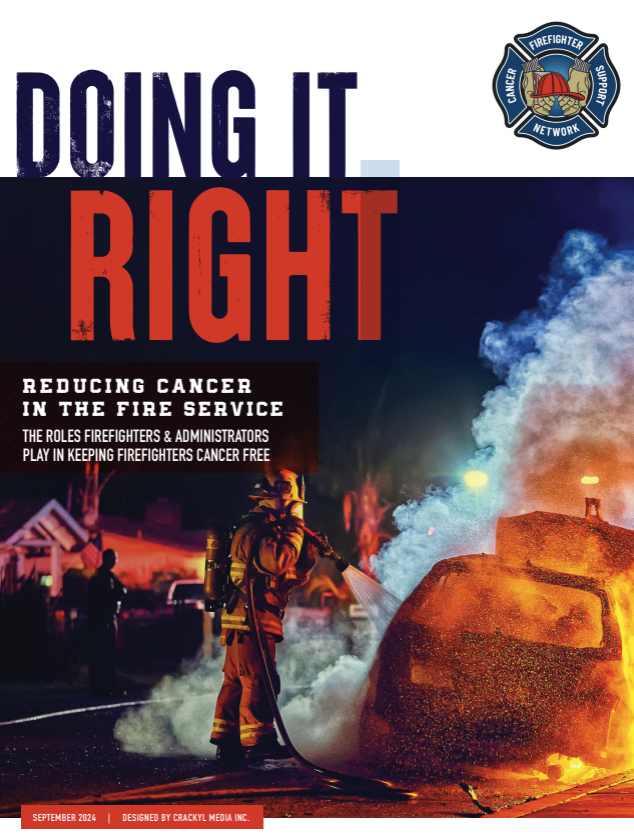
But Michael's diagnosis hasn't stopped his mission. If anything, it's made it more urgent. The Firefighter Cancer Support Network just released their comprehensive white papers, "Doing It Right: Reducing Cancer in the Fire Service," and I'm sharing them because firefighter cancer prevention isn't just policy—it's personal.
Why These White Papers Matter Now
Firefighter cancer is the leading cause of line-of-duty deaths in the fire service today. Not fires. Not building collapses. Cancer.
Michael has been Utah State Director for the Firefighter Cancer Support Network, working tirelessly to change policies, educate departments, and advocate for the health of first responders. These white papers represent ten years of research, collaboration, and practical guidance from experts across the country.
What's Inside: Two Critical Tracks
The white papers offer two comprehensive recommendation tracks:
Part 1 – What Firefighters Can Do
This section focuses on individual actions firefighters can take both on and off duty:
Know Your "Why": Identifying personal motivation for following cancer prevention practices
Lifestyle factors: Managing alcohol use, sun exposure, sleep, exercise, nutrition, and tobacco
On-scene protocols: Wearing full PPE, gross decontamination, exposure tracking
The 12 Steps to Prevent Cancer: A clear, actionable checklist every firefighter should follow
Part 2 – What Fire Department Leaders Can Do
Leadership recommendations include:
Setting policies and culture: Making cancer prevention standard operating procedure
Engineering for prevention: Redesigning fire stations to reduce carcinogen exposure
Providing resources: Access to cancer screenings, proper decontamination equipment, and support systems
Municipal and state responsibilities: Funding, legislation, and presumptive coverage
The Personal Cost of Occupational Cancer
When Michael got his diagnosis, we knew the statistics. Firefighters face a 9% higher risk of cancer diagnosis and are 14% more likely to die from cancer than the general public. We knew about the carcinogens in smoke, the diesel exhaust in fire stations, and the flame retardants that migrate from gear to skin.
But knowing the statistics and living them are two different things.
Resources for Firefighters and Fire Families
If you're part of the fire service community—or if you love someone who is—these white papers are essential reading. They cover everything from decontamination protocols to presumptive legislation, from engineering solutions to personal lifestyle choices.
The report is comprehensive, evidence-based, and practical. Most importantly, it's designed to save lives.
Download the full white papers here
Why I'm Sharing This
I'm sharing these resources because firefighter cancer doesn't just affect firefighters—it affects entire families and communities. The firefighters in your life need this information. The fire departments in your community need these tools.
Michael continues his advocacy work even through treatment because he knows prevention is possible. Culture change is possible. Saving lives is possible.
Please share this with anyone connected to the fire service. It could make all the difference.
Frequently Asked Questions
Why are firefighters at higher risk for cancer?
Firefighters are exposed to carcinogens through smoke inhalation, diesel exhaust in fire stations, flame retardants in gear, and chemical exposures at fire scenes. These occupational exposures significantly increase cancer risk, making cancer the leading cause of firefighter line-of-duty deaths.
What is the Firefighter Cancer Support Network?
The Firefighter Cancer Support Network (FCSN) provides resources, education, and support for firefighters diagnosed with cancer and works to prevent cancer through research, advocacy, and policy change. Michael serves as Utah State Director for FCSN.
What are the 12 steps firefighters can take to prevent cancer?
The 12 steps include wearing SCBA throughout fire operations, performing gross decontamination on scene, showering within the hour after exposure, cleaning PPE immediately, keeping gear out of living quarters, using sunscreen, avoiding tobacco, limiting alcohol, exercising regularly, maintaining healthy diet, and getting annual medical examinations. Full details are available in the white papers.
What is firefighter cancer presumption?
Presumptive coverage means that certain cancers are presumed to be work-related for firefighters, making it easier to receive workers' compensation benefits. Coverage varies by state, and the white papers discuss how to strengthen presumptive legislation.
How can fire departments reduce cancer risk?
Fire departments can implement policies requiring post-exposure decontamination, provide proper PPE cleaning equipment, redesign stations to reduce diesel exhaust exposure, offer annual cancer screenings, ban tobacco use on duty, and support fitness and nutrition programs. Leadership commitment to these practices creates culture change.
Where can I learn more about firefighter health resources?
Visit firefightercancersupport.org for comprehensive resources, or contact your local Firefighter Cancer Support Network representative. Michael Conn can be reached at michael@firefightercancersupport.org for Utah-specific resources.
Namaste,
Amy