
Firefighter Cancer Risk: Awareness, Research, and Utah’s Legislative Response
Dozens of people have asked me if Michael will write his own book about his cancer journey.
Dozens.
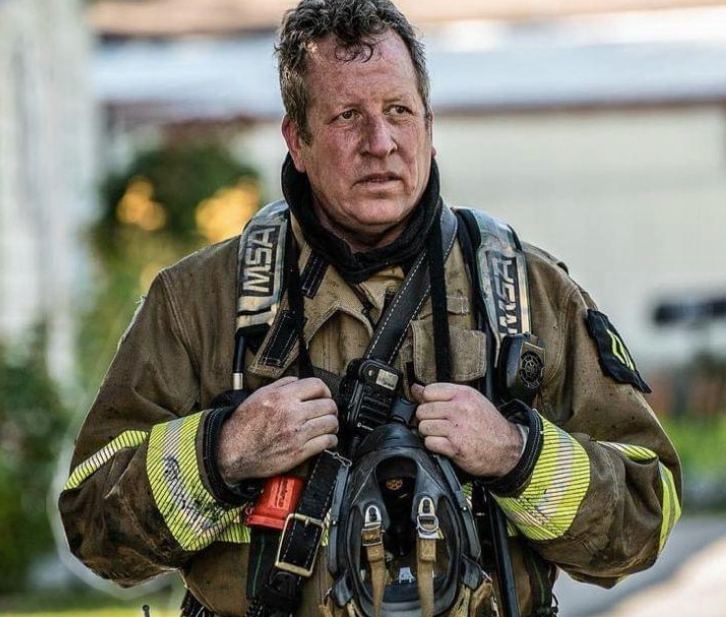
The truth is, instead of writing separate stories, Michael and I have started speaking publicly together about our two very different cancer diagnoses and what the past two decades have taught us.
Experiencing cancer can raise awareness of exposure…
but it doesn’t have to.

Years of research show that firefighters face increased cancer risks due to repeated contact with smoke, toxins, and carcinogenic materials encountered during emergency response. The work that protects our communities also brings invisible risks that often surface years later.
Organizations like the Firefighter Cancer Support Network exist to help address that reality. They provide education, mentoring, and support to firefighters and their families when cancer becomes part of their lives.
Michael now serves as the Utah Director for FCSN, helping bring awareness, resources, and research into conversations with firefighters, municipalities, and community leaders.
Awareness, when it grows strong enough, can lead to action.
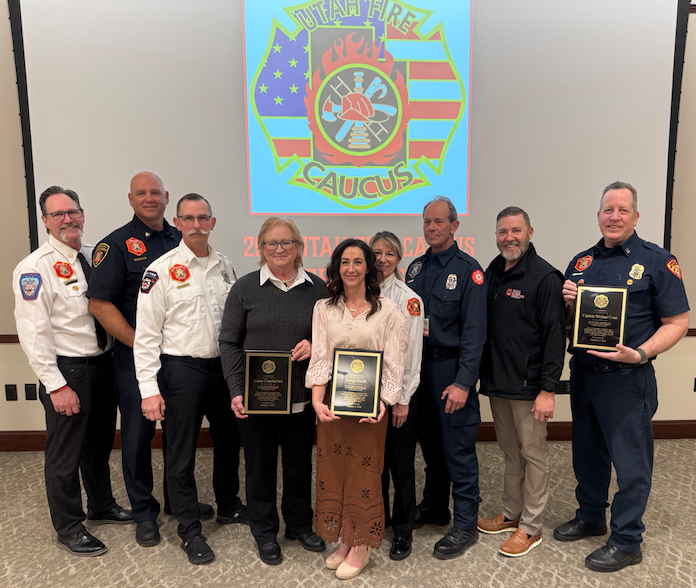
In Utah, that awareness has begun shaping legislative change.
In 2025, Utah House Bill 65 expanded the number of presumptive firefighter cancers from four to fifteen and funded a statewide cancer screening initiative—allocating $3.8 million annually for three years. The goal is early detection and stronger support for the firefighters who serve our communities.
Additional work is underway to establish a trust that will support retired firefighters and those diagnosed with cancer.
Policy shifts like these do not happen overnight. They grow from years of research, advocacy, and the lived experiences of firefighters and their families.
For Michael and me, this work has become deeply personal.
Michael will complete his sixth and final chemotherapy treatment on April 3—an important milestone in a journey that has included treatment, research, and a renewed commitment to helping others understand the connection between firefighter exposure, cancer awareness, and early screening.
Our hope is simple.
That increased awareness leads to informed action.
That stronger policies help protect the first responders who protect all of us.
And that the conversations happening now will help prevent future firefighters and their families from facing the same challenges.
Awareness, after all, is only the beginning.
What matters most is what we do with it.
